+91 9895734005
Call us anytime
info@idealkerala.com
Drop us a line anytime!
+91 9895734005
Call us anytime
info@idealkerala.com
Drop us a line anytime!
Degenerative disorders are conditions in which tissues or organs gradually lose strength and function over time. They commonly affect the joints, the spine and the nervous system, and may bring long-term pain, stiffness and reduced movement. Ageing, heredity, lifestyle and environment can all play a part.
In Ayurveda, degenerative conditions are mainly associated with an imbalance of Vata dosha, which governs movement, flexibility and the nervous system. Excess Vata is traditionally linked with dryness, weakness and the gradual decline of body tissues, so Ayurvedic care focuses on balancing Vata and supporting overall vitality.
Some of the conditions where gradual degeneration is commonly seen.
Degenerative joint disease with gradual wear of the joints, causing pain and stiffness.
Age-related wear of the spinal discs, producing long-term back and neck pain.
Conditions such as Alzheimer's, Parkinson's and Multiple Sclerosis, where nerve function is gradually lost.
Includes cardiovascular diseases, macular degeneration and certain metabolic disorders.
A simple and personalised process guided by our experienced Ayurvedic team.
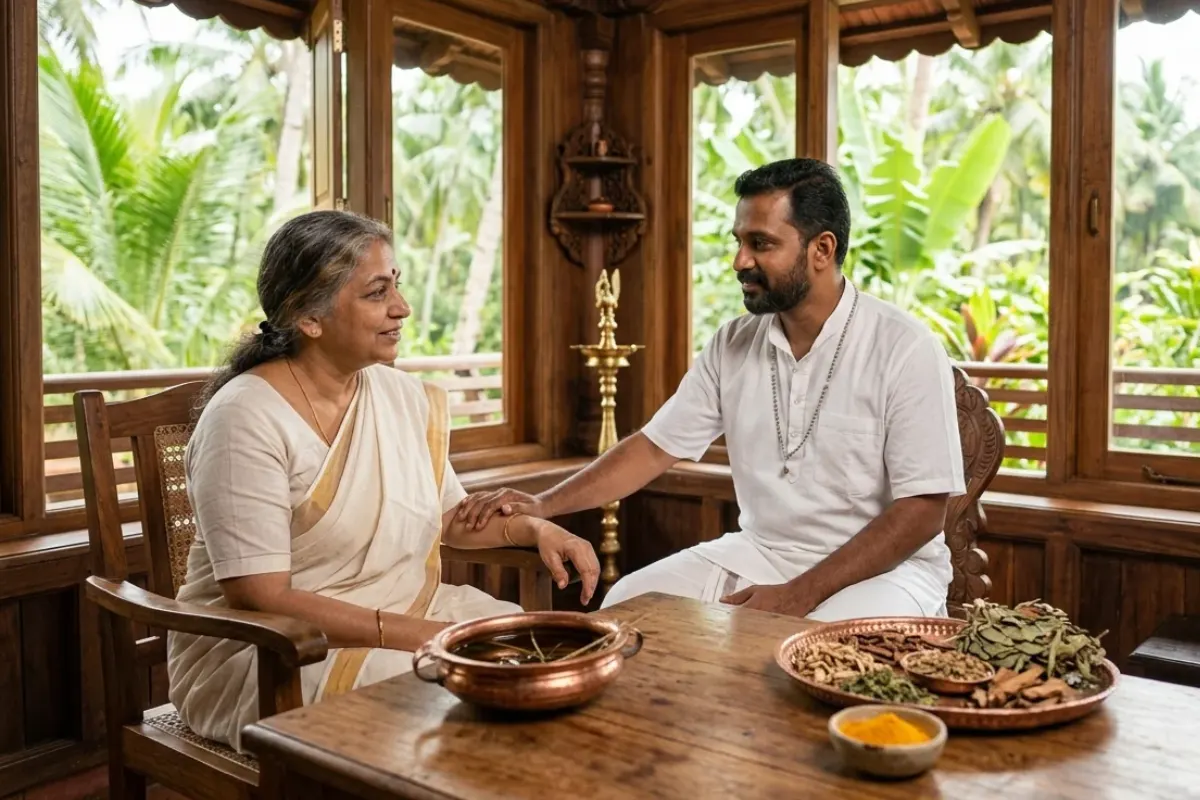
Your Ayurvedic physician reviews your health history, current care and wellness goals.
Your constitution (dosha) and the Vata imbalance are assessed.
Panchakarma, Rasayana, therapies, diet and lifestyle guidance are planned for you.
Treatments are provided during your stay and reviewed by the physician.
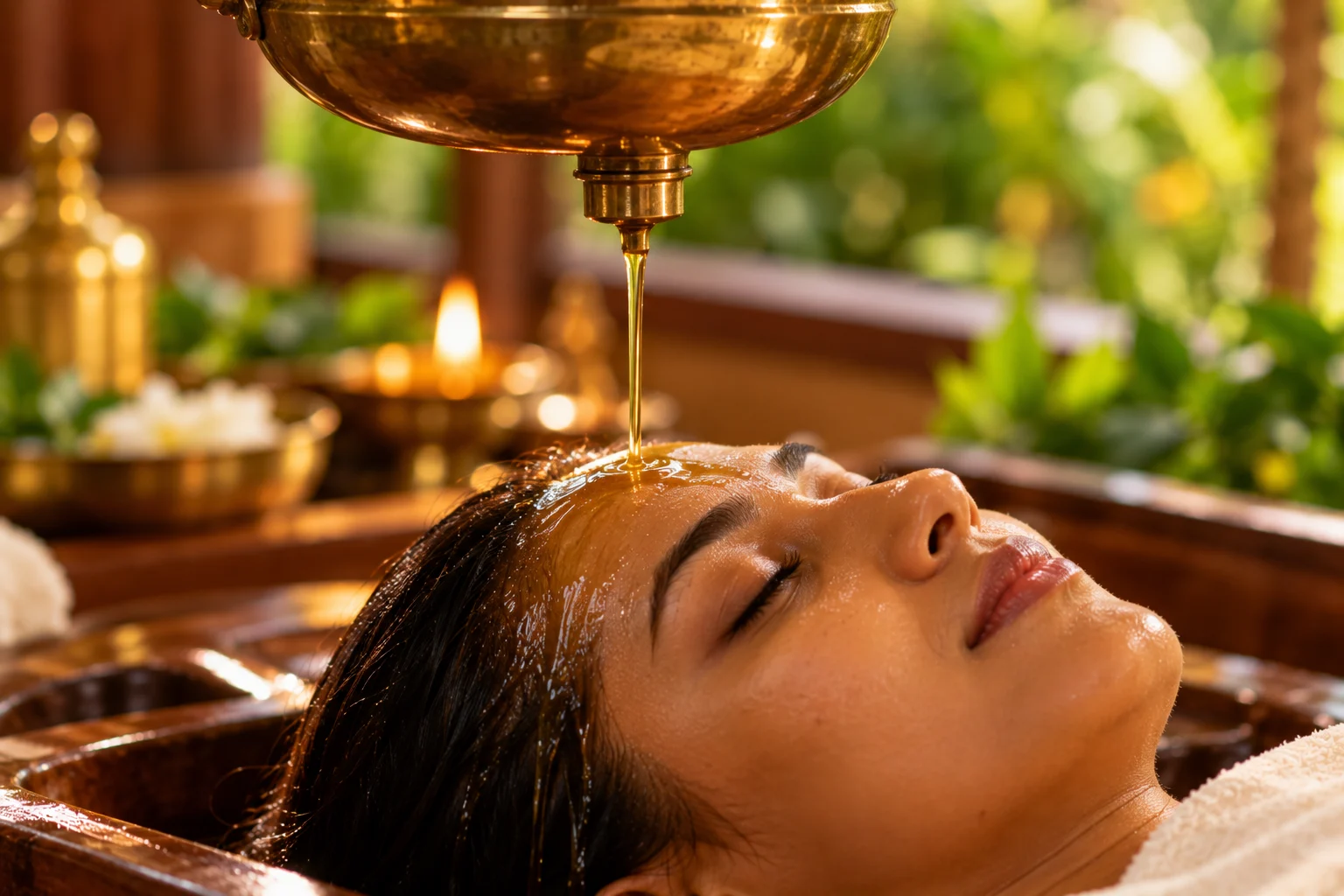
Your program may include a combination of Ayurvedic therapies as recommended by our physician.
Ayurvedic programs are traditionally used to support overall well-being in age-related conditions and may help:
Ayurveda views degenerative conditions as Vata disorders.
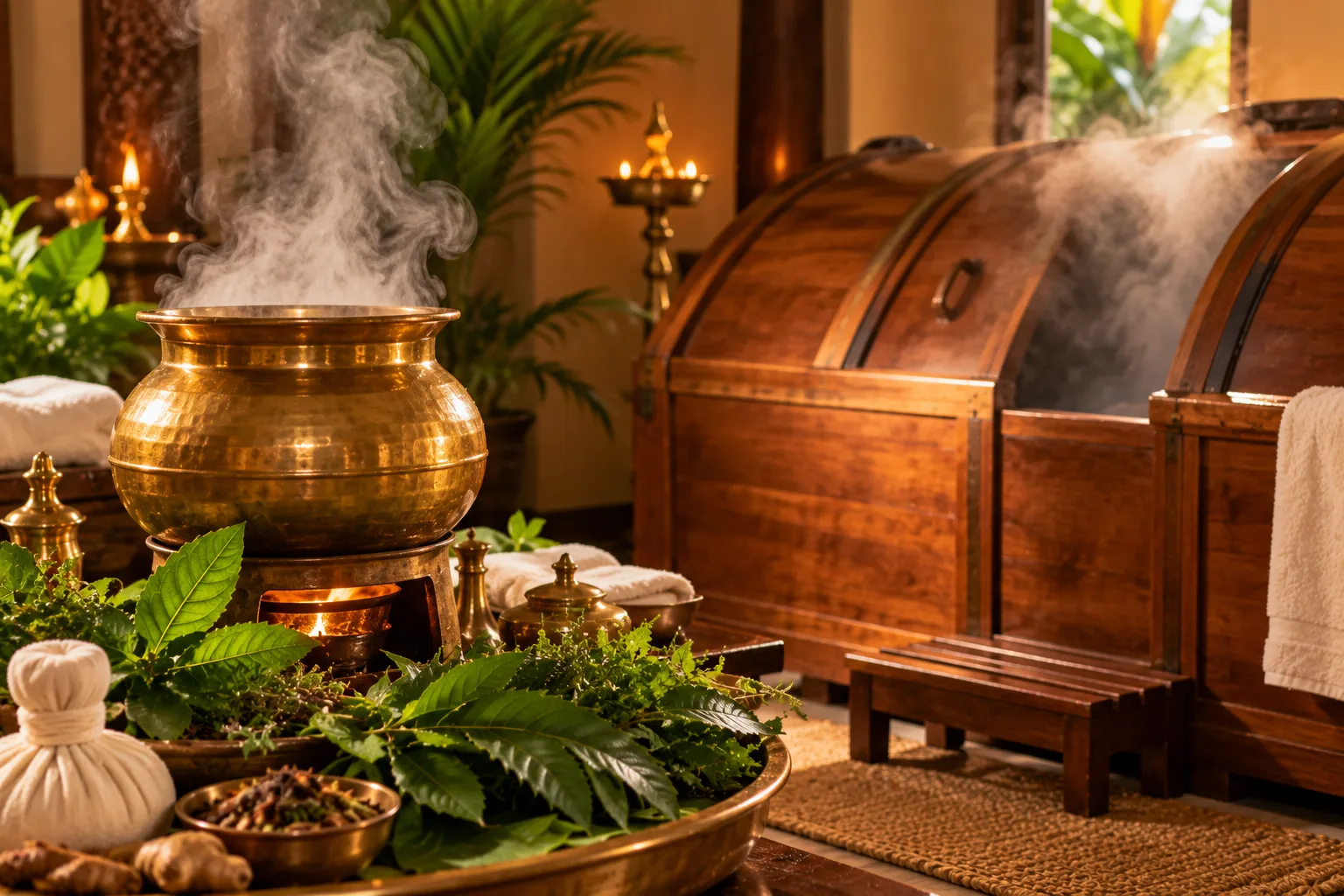
Panchakarma is traditionally used to cleanse and restore dosha balance.
Rasayana herbs and therapies support tissue nourishment and vitality.
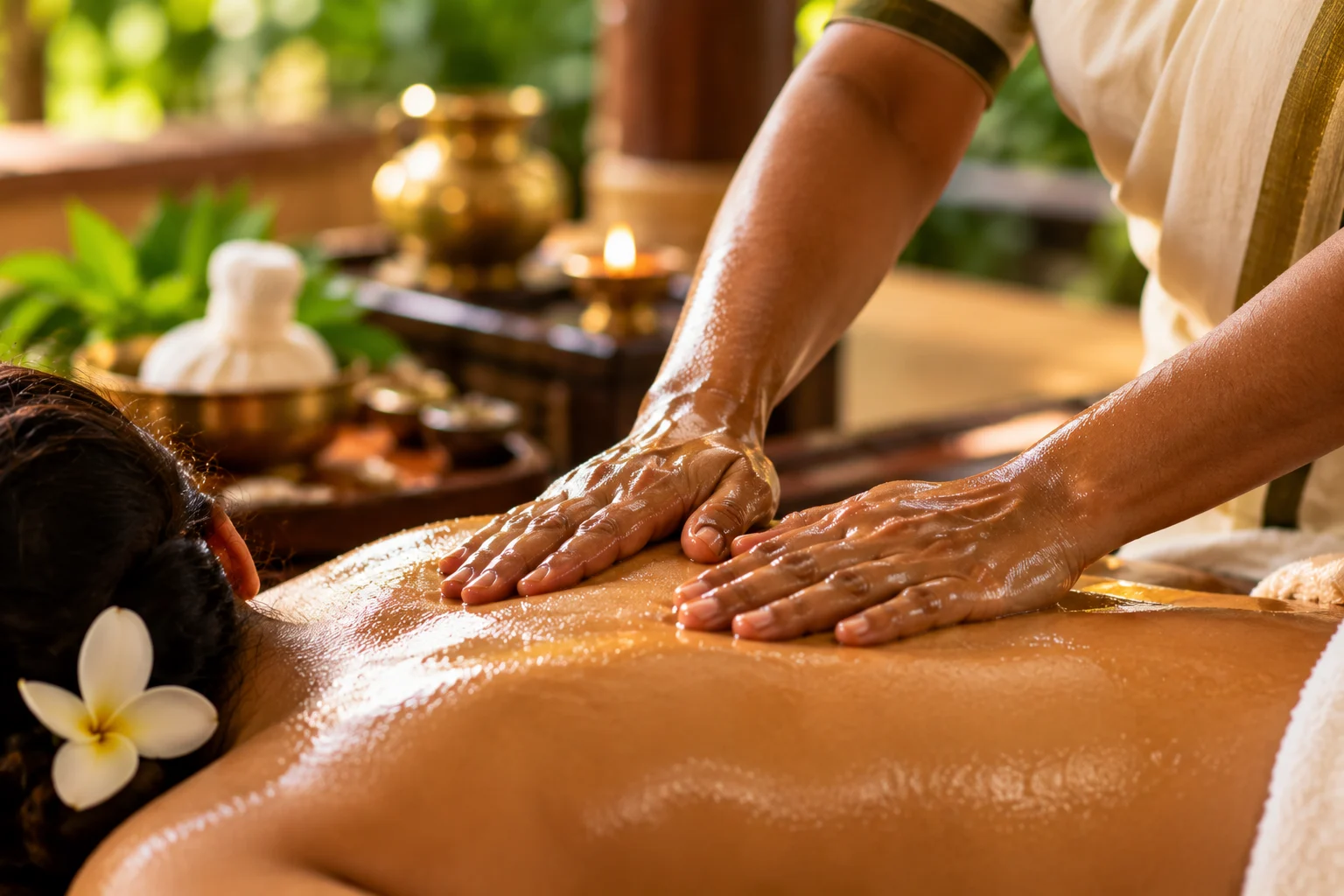
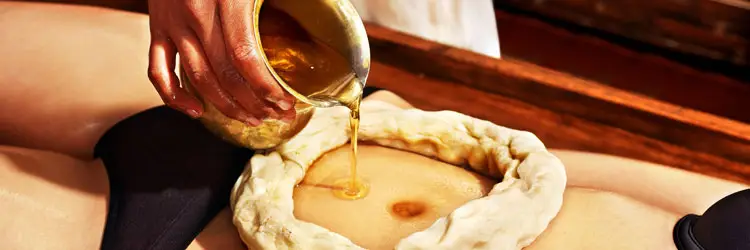
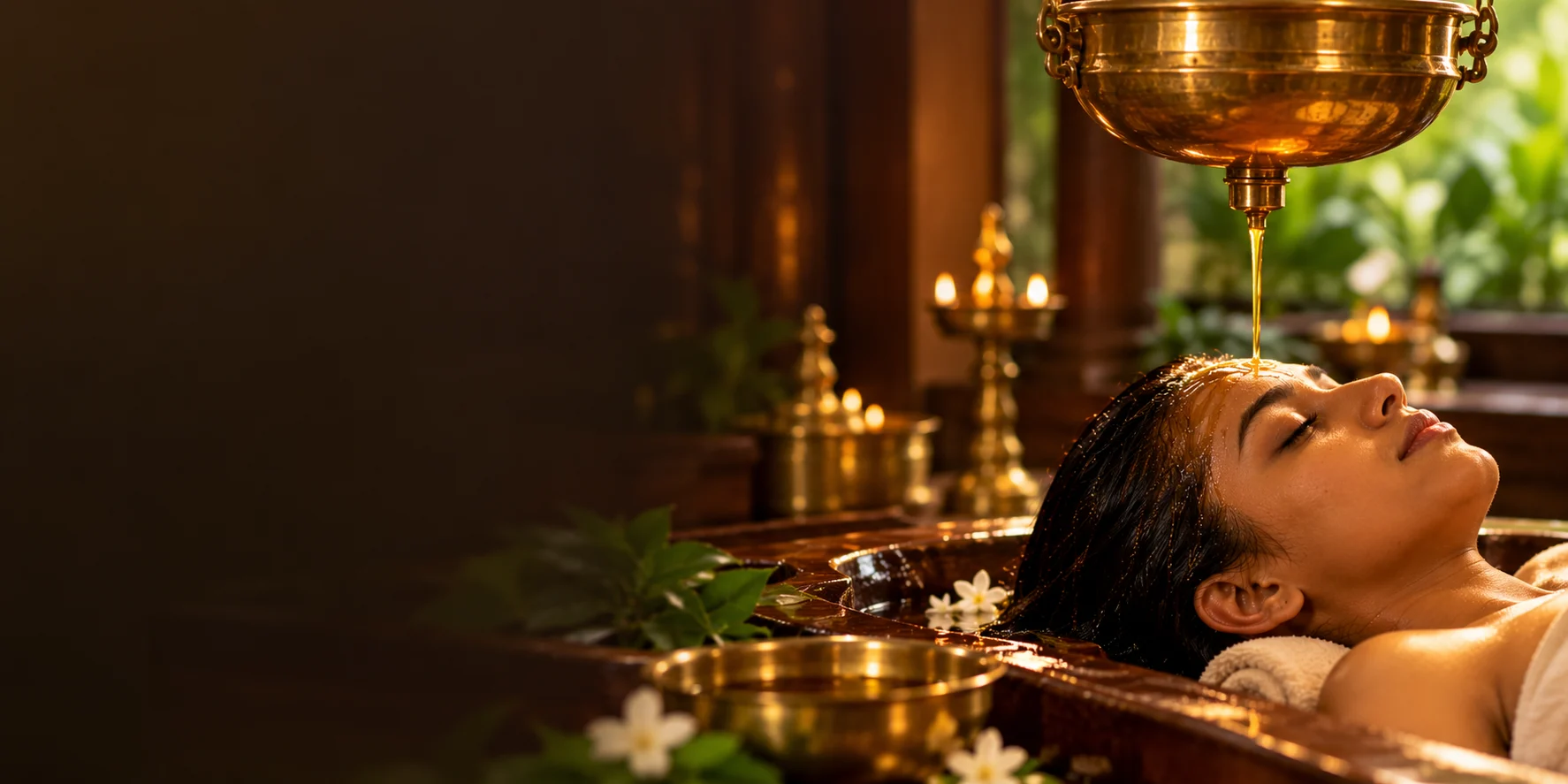
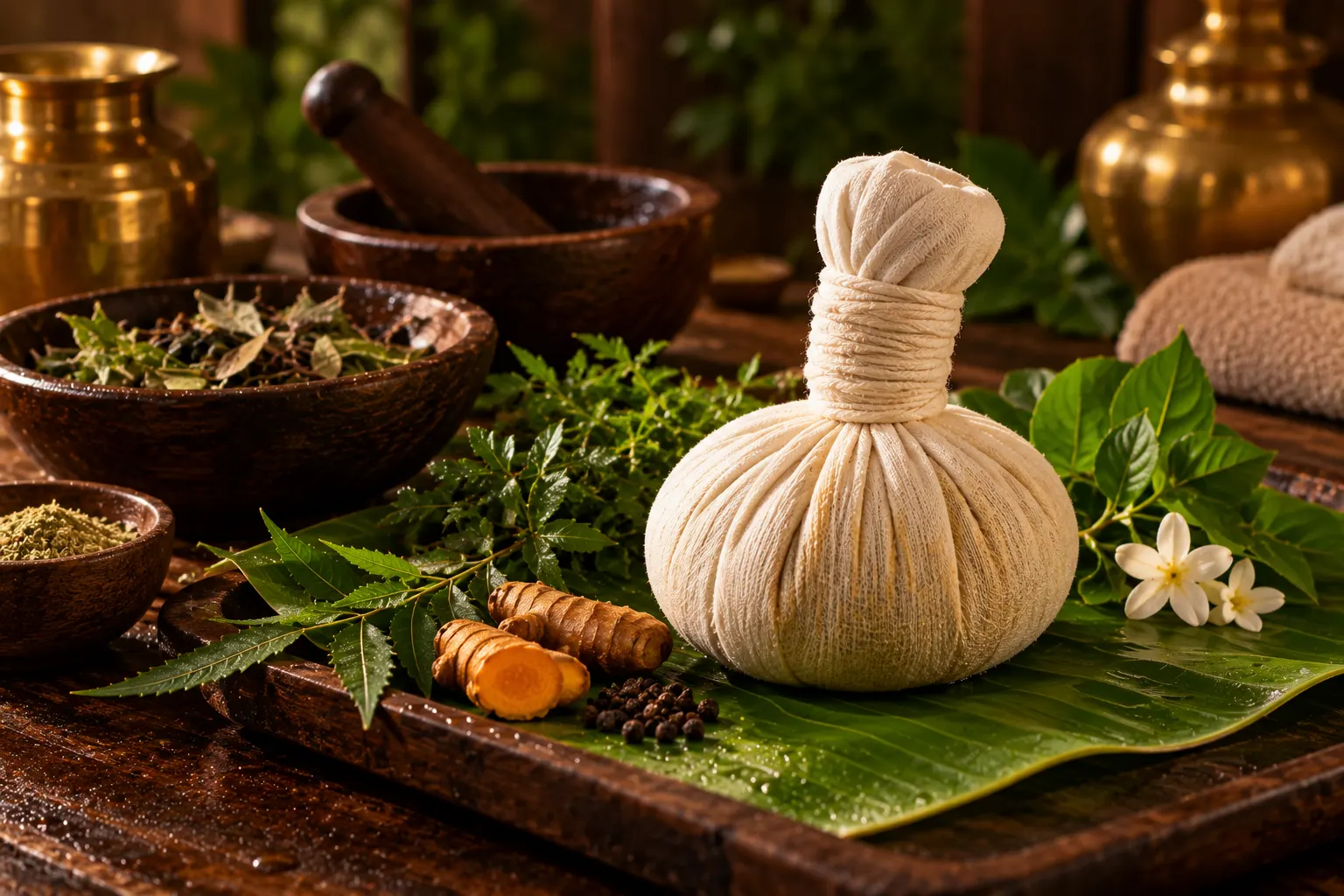
Oil therapies and poultice massage to support comfort and flexibility.
Relaxing therapies, meditation and breathing practices for mental well-being.
Therapy, diet and yoga together, alongside your medical care.
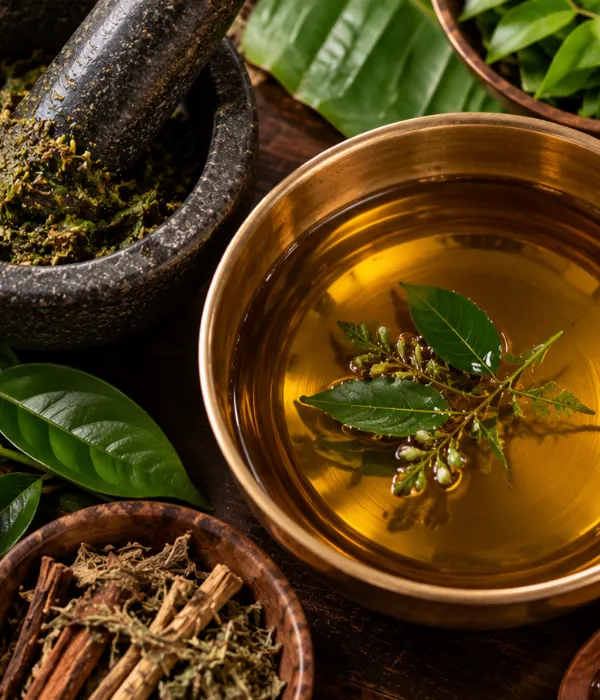
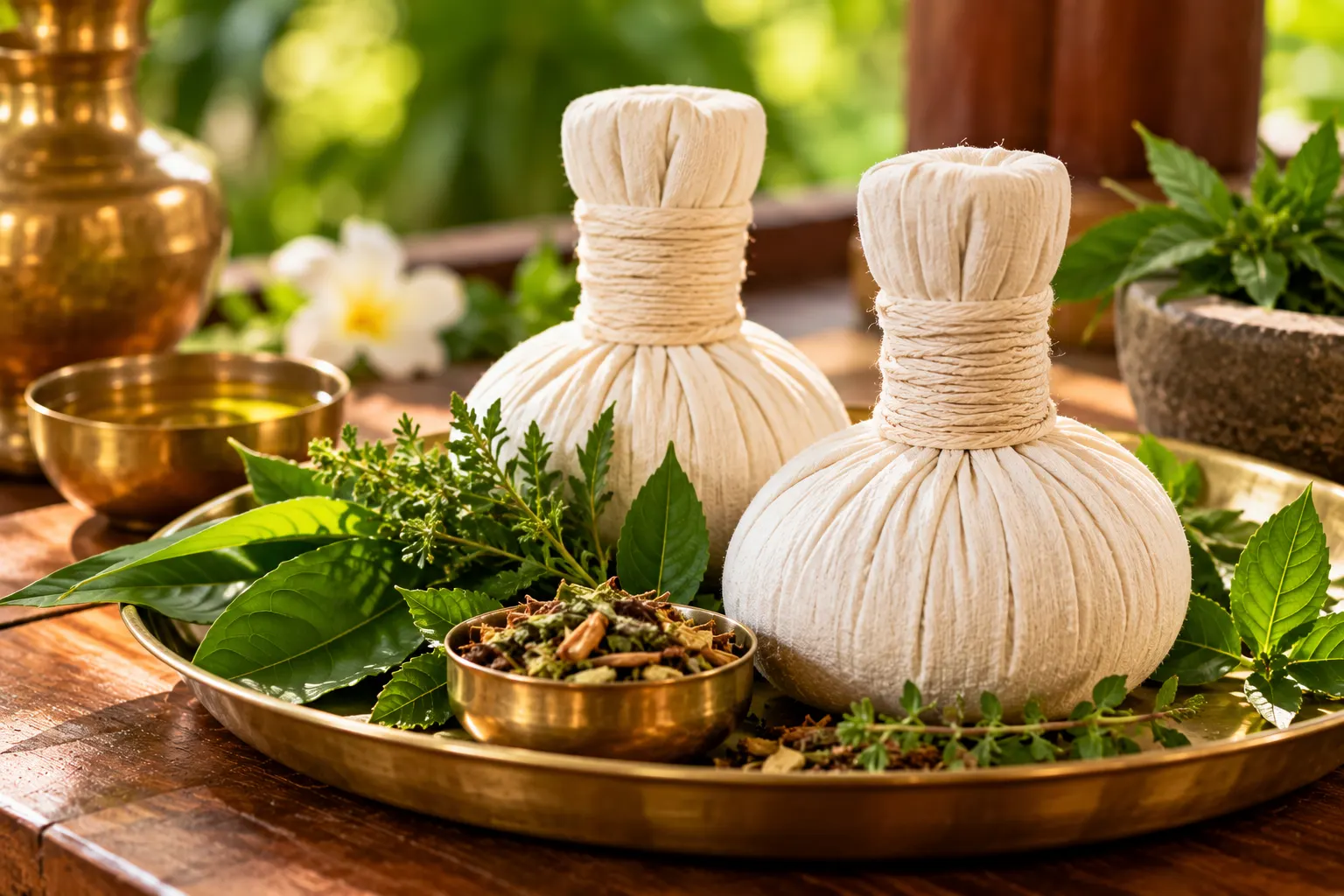
Herbs traditionally used in Ayurveda. Please take any herb only as advised by your physician.
Traditionally used for overall vitality and to ease stress.
Valued for its soothing, anti-inflammatory nature for joints and brain.
Traditionally used to support joint comfort.
Traditionally used to support tissue rejuvenation and repair.
Simple habits that support balance and long-term well-being:
Personalised treatment plans
Using high-quality herbal oils
Serene resort near Kovalam beach
Years of experience in Ayurvedic care
Real experiences from our valued guests.
"My stay at Ideal Ayurvedic Resort was relaxing and refreshing. The treatment sessions were well organised, the surroundings were peaceful, and the staff were warm and welcoming."
"I appreciated the personal attention and the traditional Ayurvedic atmosphere at the resort. The team was friendly and the treatment area was clean."
"From the welcoming staff to the relaxing treatment sessions, everything felt comfortable and thoughtfully arranged. Overall, it was a pleasant wellness experience."
Speak with our Ayurvedic team about your requirements and learn how a personalised program can be planned for you. The practices described are based on traditional Ayurvedic wellness principles and are not intended to diagnose, treat, cure or prevent medical conditions. Degenerative and neurological disorders require medical care, and Ayurvedic therapies may be used as complementary wellness approaches under professional supervision.