
+91 9895734005
Call us anytime
info@idealkerala.com
Drop us a line anytime!
+91 9895734005
Call us anytime
info@idealkerala.com
Drop us a line anytime!
A warm herbal poultice massage, planned by our Ayurvedic physician after a personal consultation at Ideal Ayurvedic Resort, Kovalam.
Kizhi, also known as pinda sweda or herbal poultice massage, is a traditional Ayurvedic therapy in which small cloth bundles filled with herbs, powders, leaves or medicated rice are heated and pressed rhythmically over the body. The filling is chosen according to your dosha, or constitutional body type, after a consultation with an Ayurvedic physician.
Kizhi is the Malayalam word for a small cloth bundle. It is a heat-based therapy and is often given as part of a wider programme of Ayurvedic treatment, including Panchakarma.
What separates it from simply applying a hot pack is the decision-making before anyone touches you. At our Kovalam centre, the filling, the oil, the temperature and the areas of focus are all set by our physician after observing you.
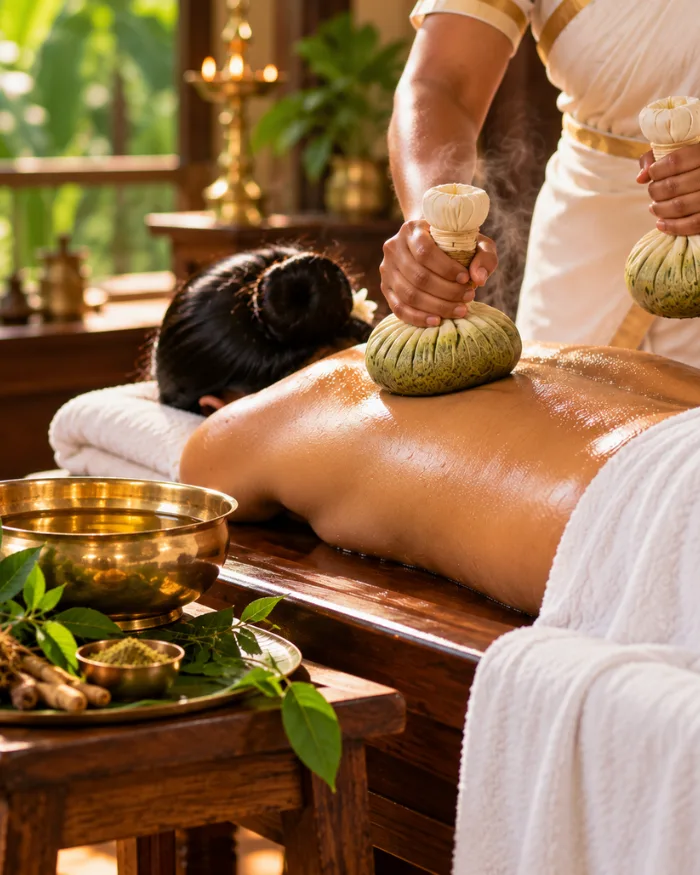
The type of kizhi depends on the filling of the bundle. These are the variations our physician may recommend after your consultation.
Medicinal Njavara rice is cooked in milk and herbal decoction, then tied into bundles (also called Shashtika Shali Pinda Sweda). It is nourishing in nature and is usually given as a supervised course of several days rather than a single session.
Fresh herbal leaves, and sometimes roots, are sautéed in medicated oil and tied into bundles. Because these bundles lose heat quickly, they are reheated often. Commonly chosen for stiff joints and tired muscles.
Dried, powdered herbs are warmed in medicated oil and wrapped in muslin (also called Choorna Pinda Sweda). A drier, lighter option often chosen for muscle and joint stiffness and for recovery after sport.
Any of these can also be focused on a single joint, which is sometimes called Sandhi Kizhi. Kizhi is often combined with oil massage, so you may also like our Abhyanga Ayurvedic massage, or our Swedana Ayurvedic steam bath.
A simple, unhurried process guided by our Ayurvedic physician and trained therapists at our Kovalam centre.
Our physician assesses your constitution, current complaints and medications, and confirms heat therapy is suitable that day.
The chosen herbs, leaves, powders or rice are tied into muslin or cotton bundles, ready to be heated.
The bundles are warmed, tested for temperature, then pressed and rolled over the body in rhythmic strokes.
You rest briefly, then finish with a warm bath using herbal water, as advised by your physician.
The filling depends on the type of kizhi. For leaf kizhi, fresh herbal leaves are washed and sautéed in medicated oil. For powder kizhi, dried herbs are lightly roasted. For Njavara kizhi, medicinal rice is cooked in milk and a herbal decoction. The mixture is placed in the centre of a cloth and the edges are gathered and tied into a pouch of a comfortable size. Herbs commonly used include nirgundi (Vitex negundo), shallaki (Boswellia serrata), ginger, turmeric, tamarind leaves, castor leaves, lemongrass and garlic, though our physician decides what suits you.
A typical kizhi session lasts 45 to 60 minutes. The bundles are reheated in a pan with medicated oil, or dry-roasted for dry kizhi, whenever they cool, so the warmth stays steady. Allow about 90 minutes in total once you include the consultation, the rest period and the bath.
Kizhi is traditionally used as part of Ayurvedic wellness routines. People come to us for different reasons, so here is a plain account of what it is traditionally used for and what you should not expect.
Warm herbal bundles pressed over tight muscles are usually experienced as relieving.
Heat applied to stiff joints is traditionally used to ease tightness and is often found comforting.
Often chosen for lower back and neck discomfort as part of a physician-guided plan.
The warmth and steady rhythm tend to slow the mind and ease the tension of a long day.
Traditionally used after heavy activity, sport or long travel, when the body feels tired and sore.
The heat brings a feeling of warmth and gentle sweating, which Ayurveda links with healthy circulation.
Kizhi is traditionally used as a supportive therapy alongside proper medical care. Our Ayurvedic physician may suggest it for people who:
Being clear about this matters more to us than filling the diary. Because kizhi uses heat, please tell us about any of the following when you book, not at the door. It saves everyone a wasted journey, and it is safer.
Here is how a typical kizhi session runs at our Kovalam centre, from preparing beforehand to resting afterwards. Allow about 90 minutes in total.
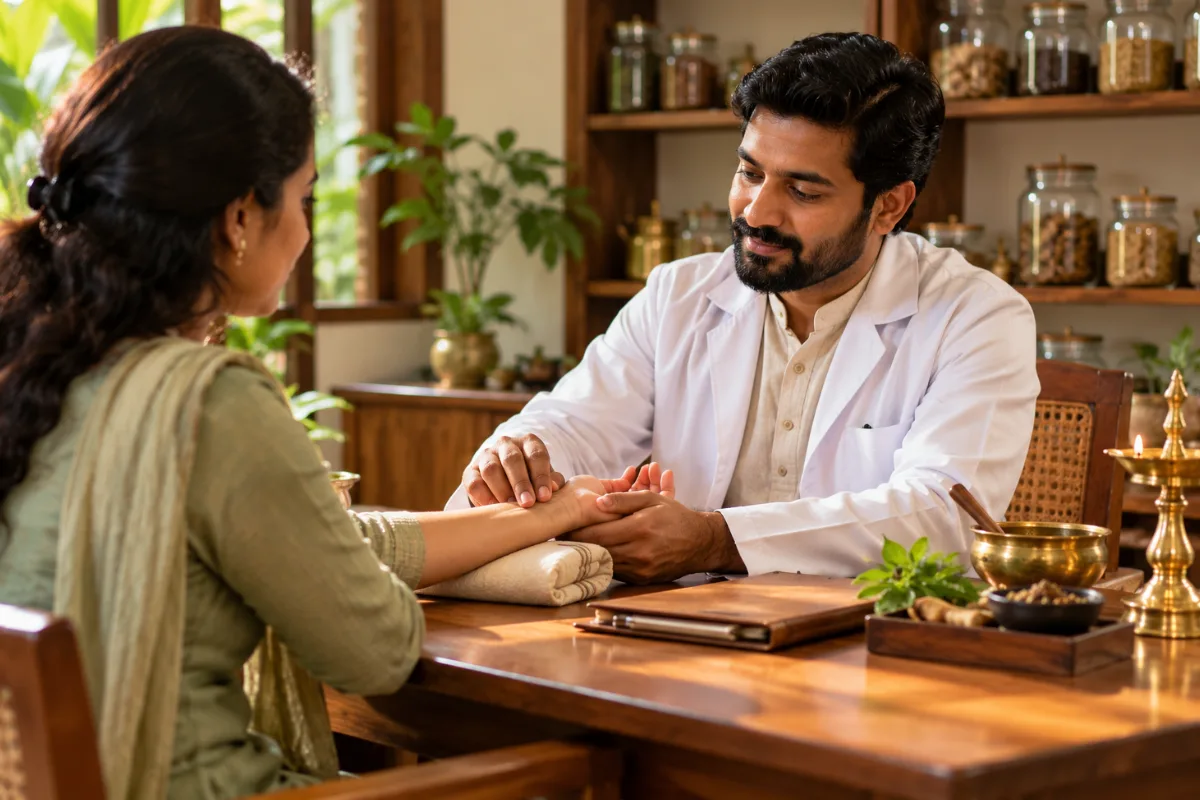 Before Treatment
Eat a light meal around two hours before your appointment, avoid a heavy meal immediately beforehand, and wear loose clothing you do not mind getting oil on. Follow any additional preparation instructions provided by our team.
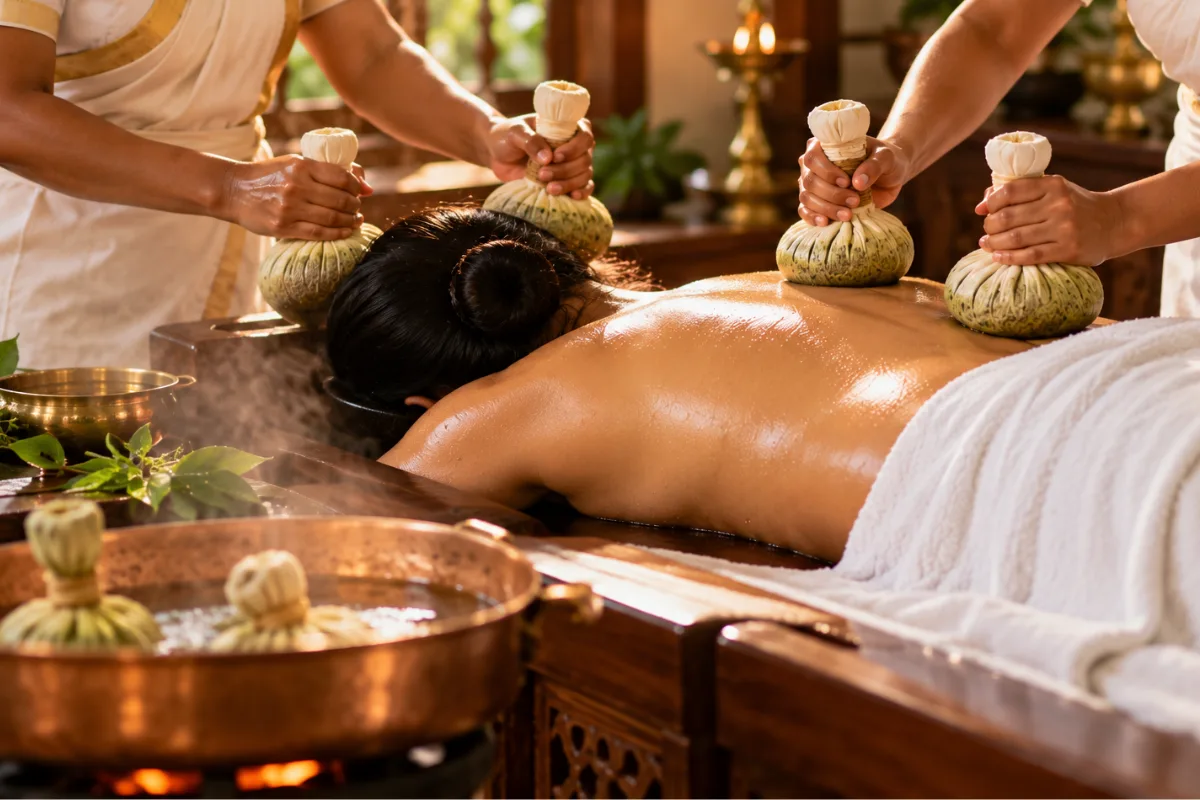 During Treatment
Your therapist will check that the warmth remains comfortable throughout the session. Speak up immediately if the bundles feel too hot or uncomfortable.
 After Treatment
Rest for a while after the session and follow your physician's advice about bathing and hydration. Plan a relaxed day and let your therapist know if you experience unusual discomfort.
Pricing depends on the type of kizhi, the length and number of sessions, and whether you are booking a single treatment or a residential package with accommodation and diet included. Single sessions and multi-day programmes are priced separately, so please ask us for the current rate for your dates.
We are a residential Ayurvedic centre in Kovalam, Thiruvananthapuram, and we have been treating guests here since 1997. These are the things we think are worth knowing before you book.
Every treatment plan is set by our physician, not chosen from a menu at reception.
Our therapists are trained in-house and work under supervision, including how to judge safe heat.
Residential guests receive a diet plan with their therapy, because in Ayurveda what you eat during a course of treatment is not a side issue.
We would rather tell you a therapy is unsuitable than sell it to you.
Real experiences from guests who have stayed and been treated with us.
Outstanding Hospitality at Ideal Ayurvedic Resort Our experience with Ideal Ayurvedic Resort was truly exceptional.I had a kizhi massage with Usha and she was so professional and respectful I booked a second one the next day!Genuine hospitality and care like this is rare — highly recommended!
I enjoyed the warmth of the herbal poultices and the peaceful atmosphere. The session felt relaxing, and the team was attentive from start to finish.
Professional Care.The Kizhi treatment was a lovely experience. The therapists were professional and caring, and they made sure I was comfortable throughout the session.
Quick answers to the questions guests ask us most often before booking.
Kizhi, also called pinda sweda, is an Ayurvedic therapy in which cloth bundles filled with herbs, medicated powders, leaves or cooked rice are heated and pressed rhythmically over the body. The filling is chosen by our physician according to your constitution and complaints, which is what separates it from a general heat massage.
Traditionally it is used for muscle and joint stiffness, back and neck discomfort, body aches and general tiredness. Many guests also choose it for relaxation or for recovery after heavy activity. It is a supportive wellness therapy and not a treatment for any specific disease.
The herbal bundles are warmed in medicated oil or dry-roasted on a pan, and the temperature is tested before a bundle touches you. The therapist then presses and rolls the warm bundles over the body in rhythmic strokes, spending more time on stiff areas and reheating the bundles as they cool. The session ends with rest and a warm bath.
Around 45 to 60 minutes for the treatment itself. Allow about 90 minutes in total once you include the consultation, the rest period afterwards and the warm bath.
The difference is the filling. Njavara kizhi uses medicinal rice cooked in milk and herbal decoction and is nourishing in nature. Ela kizhi uses fresh herbal leaves sautéed in medicated oil. Podi kizhi uses dried, powdered herbs. Our physician chooses between them after your consultation.
When carried out by trained therapists at the right temperature, kizhi is generally well tolerated, although mild warmth or redness of the skin can occur and usually settles. It is not carried out during fever, active infection, open wounds, skin infections, or over acutely inflamed or swollen areas. Pregnancy, recent surgery, cardiac conditions, uncontrolled diabetes, clotting disorders and blood-thinning medication need your doctor's clearance first.
No. Kizhi is a traditional supportive therapy, and many people with back or joint stiffness find it relieving, but it is not a cure for back pain, arthritis or any other disease. It may be used alongside medical treatment with your doctor's knowledge, and it should never replace prescribed care.
We would advise against trying it on your own at first. The main risks are overheating a bundle and burning the skin, and the right herbs and temperature depend on the person. If you want to continue between visits, ask our physician to teach you a mild method, and avoid it altogether during fever, open wounds or inflamed areas.
The price depends on the type of kizhi (Njavara kizhi usually costs more than a leaf or powder kizhi), the length and number of sessions, and any add-ons such as abhyanga or steam. Single sessions and residential packages are priced separately, so please call us for the current rate for your dates.
Yes, we recommend it, particularly during the November to February season. Call +91 9895734005 or use our booking form, and mention any health conditions or medications at that point so our physician can review before you arrive.

Speak with our team about your requirements and learn whether kizhi is right for you. Our physician will review any health conditions before you arrive.